Mammalia |
Cetartiodactyla |
Delphinidae
البيئة: الوسط / المنطقة المناخية / نطاق العمق / نطاق التوزيع
البيئة
محيطي; محيطية (مرجع 75906); نطاق العمق 0 - 1316 m (مرجع 116169). Tropical
208994 Tursiops truncatus gephyreus. Southwest Atlantic.
الطول عند النضج الأول / الحجم / وزن / العمر
النضج: Lm ?, range 240 - 260 cm Max length : 380 cm TL ذكر/ مختلط الجنس; (مرجع 1394); أعلا وزن تم نشرة: 650.0 kg (مرجع 1394)
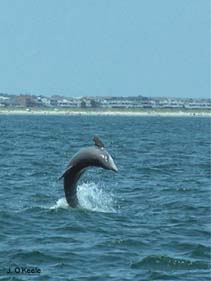
This coastal subspecies (Tursiops truncatus geyphyreus) can be distinguished from the nominate offshore subspecies (Tursiops truncatus truncatus) by the following diagnosable cranial features: W-shaped border of the antorbital notch (vs. U-shaped); barely or not visible interparietal bone (vs. clearly visible); cranial vertex from the posterior end of nasals to the nuchal crest is short and rectangular (vs. long and squared); left nasal bone noticeably smaller and more compressed antero-posteriorly than the right (vs. nearly symmetrical); Falciform lateral margin of the ascending process of right premaxilla (vs. straight or slightly concave); lateral margin of the ascending process of the maxillae over the preorbital process is deflected dorsally (vs. flat) (Ref. 128824).
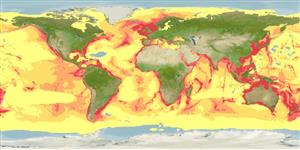
Preyed upon by great white sharks (Ref. 32140). Dolphins are directly caught for use as shark-bait in Sta. Ana and Aparri, Philippines (Ref. 77119). Found primarily in coastal and inshore regions of tropical and temperate waters of the world (Ref. 936) and deeper channels between islands (Ref. 122680). Also inhabits pelagic waters, such as those in the eastern tropical Pacific (Ref. 936). In herds of less than 20 individuals (Ref. 801). Feeds either cooperatively or in solitary. They can obtain prey via 'fish whacking' and steering fish onto mudflats (Ref. 122680). Feeds on fish (Refs. 801, 936) crustaceans, and cephalopods (Ref. 801).
دورة الحياة وسلوك التزاوج
النضج | التكاثر | وضع البيض | بيض | الخصوبة | اليرقات
Tan, J.M.L. 1995 A Field Guide to the Whales and Dolphins in the Philippines. Makati City: Bookmark. 125 p. (مرجع 936)
حالته حسب اتفاقية سايتس (مرجع 108899)
خطر للأنسان
استخدامات بشرية
مصائد: تجاري; طعم: usually
FAO - مصائد: الهبوط, ملف الأنواع | FishSource |
أدوات
مزيد من المعلومات
علم البيئة الغذائيةالمواد الغذائية (الفرائس)
التركيبة الغذائية
استهلاك الأغذية
مفتريسات
الديناميكيات السكانيةنموالحد الأقصى للأعمار/الأحجامعلاقة الطول بالوزن.علاقة الطول بالطول.الطول- التردداتالتحويل الجماعيالوفرة دورة الحياةالتكاثر
النضج
الخصوبة
وضع البيض
بيض
تطور البيضة
اليرقات
علم وظائف الأعضاءاستهلاك الأوكسجين
ذات الصلة بالبشرطوابع بريدية وعملات معدنية ومتنوعة
مصادر علي الأنترنت
تقديرات تستند إلى النماذج
درجة الحرارة المفضلة
(Ref.
115969): 6.4 - 28.9, mean 20.3 (based on 16698 cells).
ضعف الصيد
Very high vulnerability (76 of 100).
فئة السعر
Unknown.